
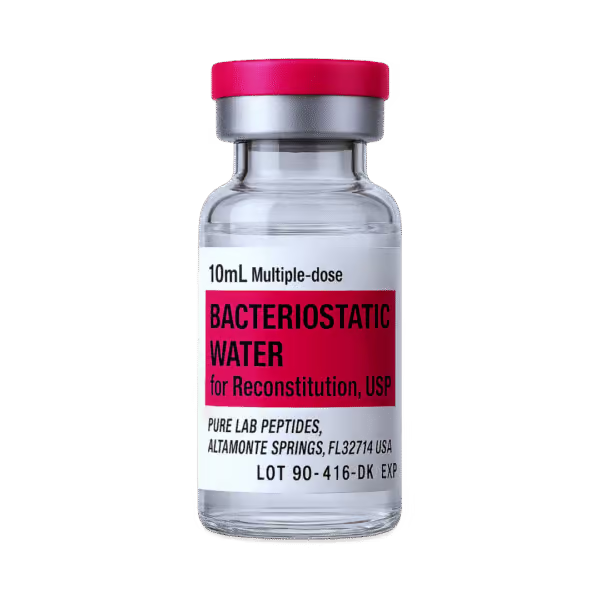
Buy Bacteriostatic Water 10ml Online: Your Guide to Sterile Water for Injection
Delve into the essential role of bacteriostatic water 10ml in various applications. This comprehensive guide will illuminate its definition, uses, and the significant benefits it offers, particularly when you need to buy bacteriostatic water for your critical needs. Understand why this specialized diluent is indispensable for maintaining the integrity and safety of sensitive compounds.
What is Bacteriostatic Water 10ml?
Bacteriostatic Water 10ml Definition and Composition
Bacteriostatic water 10ml, often referred to as bac water, is sterile water for injection that contains 0.9% benzyl alcohol as a preservative. This vital component inhibits the growth of most common contaminating bacteria in the vial, making it distinct from plain sterile water. This composition ensures the sterility of the solution, allowing for multiple withdrawals from a single vial, a key advantage over single-use sterile water options. Each 10 ml vial is meticulously prepared to be non-pyrogenic and free from particulate matter, guaranteeing a high-quality diluent.
Uses in Medical and Research Applications
The primary use of bacteriostatic water 10ml is for the reconstitution of various medications, especially lyophilized peptides and other compounds that require dilution before administration. Researchers and medical professionals commonly buy bacteriostatic water because it serves as an excellent diluent, allowing precise measurements and safe injection. For instance, when working with a peptide vial, the bac water helps to reconstitute the peptide into a usable solution. Its unique properties make it an ideal choice for maintaining sterility across multiple uses when a larger volume is needed.
Benefits of Bacteriostatic Water 10ml
The benefits of using bacteriostatic water 10ml are manifold, primarily centering on its ability to maintain sterility over a period, unlike preservative-free sterile water. The benzyl alcohol preservative prevents bacterial contamination after the initial entry, allowing users to draw multiple doses from the same 10 ml vial over approximately 28 days. This extended utility provides both convenience and cost-effectiveness, as there’s no need to discard the vial immediately after a single use. This makes it a preferred choice for applications requiring repeated access to the diluent from a single container, ensuring the integrity of the reconstituted compound.
Understanding Sterile Water for Injection
What Makes Water Sterile?
Sterile water, especially sterile water for injection, achieves its pristine condition through rigorous sterilization processes designed to eliminate all viable microorganisms. This crucial process ensures that the water is pyrogen-free and devoid of any particulate matter, making it safe for direct introduction into the body. Unlike ordinary tap water, sterile water undergoes distillation or reverse osmosis followed by filtration and heat treatment, thereby guaranteeing its sterility and preventing the introduction of contaminants that could compromise health or experimental integrity. This meticulous preparation is foundational for its use in medical applications.
Differences Between Bacteriostatic Water and Sterile Water
The fundamental distinction between bacteriostatic water and plain sterile water lies in the presence of a bacteriostatic preservative, specifically benzyl alcohol. While both are sterile, their intended use and stability after opening differ significantly.
| Type of Water | Key Feature / Preservative | Usage After Opening |
|---|---|---|
| Bacteriostatic Water (e.g., 10ml) | Contains 0.9% benzyl alcohol, which inhibits bacterial growth. | Allows for multiple withdrawals from a single vial over approximately 28 days. Ideal for medications requiring repeated dosing. |
| Preservative-Free Sterile Water | Lacks an inhibitory agent. | Must be used immediately after opening due to potential contamination from subsequent entries. |
The presence of benzyl alcohol in bacteriostatic water provides a unique advantage for prolonged use by maintaining sterility against potential contamination once the vial has been punctured.
Importance of Sterility in Injections
Maintaining impeccable sterility in injections is paramount to patient safety and the efficacy of medical treatments. Any breach in sterility during the reconstitution or administration of a medication can introduce harmful microorganisms directly into the bloodstream, leading to serious infections, fever, or adverse reactions. This is why products like bacteriostatic water for injection are meticulously prepared to be non-pyrogenic and free from particulate matter, ensuring a safe diluent. The use of a sterile needle and an aseptic technique alongside sterile diluents is indispensable, safeguarding the patient from potential contamination and ensuring the therapeutic integrity of the administered solution.
Buying Bacteriostatic Water 10ml Online
Where to Purchase Bacteriostatic Water
When you decide to buy bacteriostatic water, especially bacteriostatic water 10ml, the most reliable and convenient option is often online. Reputable online pharmacies and specialized medical supply stores, such as bacteriostaticwater.com, offer a wide selection of high-quality bac water that meets stringent sterility standards. These platforms ensure that you receive sterile water for injection that contains the essential 0.9% benzyl alcohol preservative, crucial for maintaining sterility over time. Purchasing from trusted sources online guarantees that the product will be non-pyrogenic and suitable for reconstitution, providing peace of mind for sensitive applications like peptide dilution.
Factors to Consider When Buying
Several critical factors should guide your decision when you buy bacteriostatic water 10ml online. Always verify the presence of 0.9% benzyl alcohol as a preservative, as this is what gives bac water its unique ability to inhibit bacterial growth after initial use, maintaining sterility for multiple withdrawals from the single vial. Ensure the product is labeled as sterile water for injection and is non-pyrogenic, free from particulate matter, and comes in a sealed 10 ml vial. Confirming these specifications helps ensure that the bacteriostatic water is safe and effective for the reconstitution of lyophilized compounds and other sterile dilution needs.
Popular Brands and Vial Types
The market offers various trusted brands for bacteriostatic water 10ml, with many adhering to the highest standards of quality and sterility. Typically, bac water is supplied in clear glass vials, designed to protect the solution and allow for easy visual inspection for any particulate matter. These 10 ml vials are carefully sealed to maintain sterility until first use, and the included benzyl alcohol preservative ensures that the solution remains stable for approximately 28 days after the first injection, provided it’s stored at controlled room temperature. Choosing a recognized brand provides an additional layer of assurance regarding the product’s quality and its suitability for safe reconstitution and injection purposes.
How to Use Bacteriostatic Water for Reconstitution
Steps for Proper Reconstitution
Proper reconstitution using bacteriostatic water is a meticulous process that ensures the integrity and efficacy of lyophilized compounds. To begin, always gather your supplies, including the peptide vial, a bacteriostatic water 10ml vial, a sterile needle, and a syringe. The reconstitution process then involves several key steps:
- Carefully clean the rubber stopper of both the bacteriostatic water vial and the peptide vial with an alcohol wipe to maintain sterility.
- Draw the desired amount of bacteriostatic water into the syringe, ensuring no air bubbles.
- Slowly inject the bacteriostatic water into the peptide vial, allowing the diluent to gently stream down the inside wall of the vial. This gentle approach prevents foaming and preserves the delicate structure of the peptide.
- Avoid shaking the vial; instead, gently swirl it until the peptide is fully dissolved, creating a homogeneous solution ready for use.
Using a Syringe with Bacteriostatic Water
When using a syringe with bacteriostatic water for injection, precision and aseptic technique are paramount to prevent contamination and ensure accurate dosing. After preparing the bacteriostatic water 10ml vial by cleaning the rubber stopper, firmly attach a sterile needle to your syringe. Carefully invert the bac water vial and insert the needle, ensuring the tip is submerged in the liquid. Slowly pull back the plunger to draw the desired volume of bacteriostatic water into the syringe, being mindful to avoid air bubbles. Once the correct amount is drawn, carefully remove the syringe and needle. This precise handling maintains the sterility of the diluent and prepares it for the crucial step of reconstituting your peptide or other compounds. Remember, a sterile needle should only be used once to preserve sterility.
Storage and Handling Guidelines
Proper storage and handling of bacteriostatic water are essential to maintain its sterility and effectiveness, especially for bacteriostatic water 10ml vials. Before initial use, unopened vials should be stored at controlled room temperature, protected from light. Once the vial has been entered for reconstitution, the benzyl alcohol preservative inhibits bacterial growth, allowing the bac water to maintain sterility for approximately 28 days. During this period, the bacteriostatic water 10ml should be stored in a refrigerator (2-8°C or 36-46°F) to further enhance its stability. Always ensure the cap is securely replaced after each use, and never discard the vial before the 28-day period if you plan on multiple withdrawals. Following these guidelines ensures that your diluent remains a reliable and sterile water for injection.
Safety and Precautions
Understanding Benzyl Alcohol and Its Role
Benzyl alcohol serves as a bacteriostatic preservative, notably in bacteriostatic water 10ml formulations. A 0.9% concentration of benzyl alcohol is the key differentiator between bacteriostatic water and plain sterile water. This active ingredient inhibits bacterial growth after the initial vial puncture, enabling multiple withdrawals from a single vial for approximately 28 days while maintaining the sterility of the diluent.
Its benefits and considerations include:
| Function | Bacteriostatic preservative; inhibits bacterial growth post-puncture |
| Application | Allows multiple withdrawals from a single vial over ~28 days |
| Benefit | Extends the life of sterile water for injection; prevents contamination |
| Usage Note | Reliable for reconstitution of sensitive compounds like peptides; awareness of its presence is key |
Single-Use vs. Multi-Dose Vials
The distinction between single-use and multi-dose vials is paramount when considering sterile water for injection. Single-use vials, often containing preservative-free sterile water, lack any antimicrobial agent and must be discarded immediately after the first use, even if only a portion of the contents has been withdrawn, due to the risk of bacterial contamination. In contrast, multi-dose vials, such as bacteriostatic water 10ml, contain a bacteriostatic preservative like 0.9% benzyl alcohol. This benzyl alcohol preservative inhibits bacterial growth, allowing for multiple withdrawals from the same 10 ml vial over approximately 28 days, provided proper aseptic technique is followed. Understanding this difference is crucial for safe and economical reconstitution practices, especially when diluting peptides or other lyophilized medications that require repeated access to the diluent.
Potential Risks and Side Effects
While bacteriostatic water is generally safe and essential for proper reconstitution, it’s important to be aware of potential risks and side effects, particularly concerning the benzyl alcohol preservative. Although the 0.9% benzyl alcohol in bacteriostatic water 10ml is effective at inhibiting bacterial growth, large amounts of benzyl alcohol can be toxic, especially to neonates and infants, due to their immature metabolic pathways. This is why bacteriostatic water is typically not recommended for use in newborns. Allergic reactions to benzyl alcohol, though rare, can also occur. Always ensure you are using the correct type of sterile water for injection for your specific needs, and never hesitate to consult a healthcare professional if you have concerns about potential risks or side effects, thereby prioritizing safety in every injection and dilution.
Reviews
There are no reviews yet.