
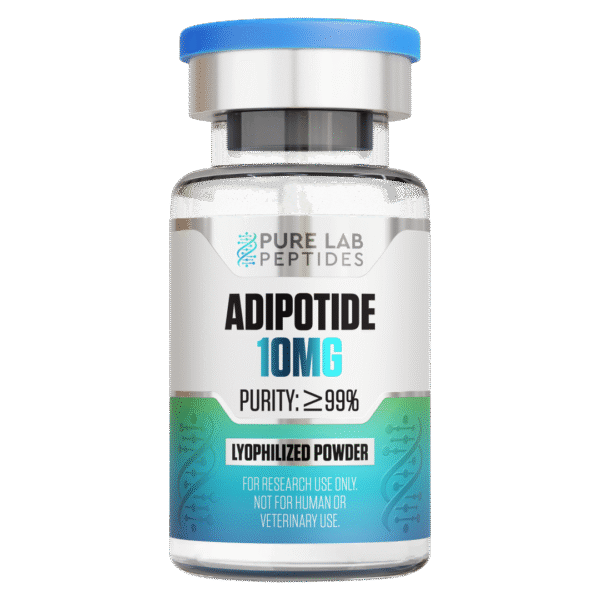

Buy Adipotide Peptide Online: Adipotide 10mg and Vials
Embark on a journey to unravel the mysteries of adipotide peptide, a groundbreaking peptide that holds immense promise in the realm of metabolic research and therapeutics. This article will delve into the intricacies of adipotide peptide, exploring its mechanisms, benefits, and the responsible procurement of this research chemical for your laboratory.
Understanding adipotide peptide
What is adipotide peptide?
adipotide peptide is a truly remarkable peptidomimetic, a synthetic peptide that has garnered significant attention for its potential in targeted ablation of adipose tissue. This innovative research peptide, also known as FTPP or FTTP, is a proapoptotic peptide specifically designed to induce apoptosis, or programmed cell death, in fat cells. Researchers, such as Kolonin, Pasqualini, and Barnhart, have extensively studied its properties, revealing its potential as a powerful tool in understanding and combating obesity and related metabolic disorders. It is typically supplied in a lyophilized powder form within a vial, often as adipotide peptide 10mg or 5mg, ensuring its stability for laboratory research purposes.
Benefits of Adipotide Peptide
The benefits of Adipotide peptide are truly compelling for research purposes, particularly in the study of metabolic health. This targeted peptide has shown remarkable efficacy in reducing white adipose tissue, leading to a decrease in overall body fat. By inducing apoptosis in the vasculature that supplies blood to fat cells, adipotide peptide effectively starves the adipose tissue, causing a significant reduction in its volume. Studies on obese monkeys, for instance, have demonstrated its ability to improve glucose tolerance and reduce insulin resistance, offering a potential avenue for addressing the complexities of metabolic syndrome. The precision of this synthetic peptide makes it an invaluable tool for exploring novel therapeutics.
How adipotide peptide Works
adipotide peptide works through an ingenious mechanism that targets the very lifeblood of fat cells. This proapoptotic peptide, with its unique amino acid sequence (CKGGRAKDC-GG-D(KLAKLAK)2), selectively binds to specific receptors found on the blood vessels supplying adipose tissue. Once bound, adipotide peptide triggers a cascade of events that ultimately lead to the apoptosis, or cell death, of these critical endothelial cells. By disrupting the blood supply to the fat cells, the adipocyte can no longer receive the necessary nutrients and oxygen, leading to its demise. This targeted peptide action, as detailed in Nature Medicine, exemplifies a sophisticated approach in translational medicine for addressing unwanted fat.
Buying Adipotide Peptide Online
Where to Buy adipotide peptide
When seeking to buy Adipotide peptide for your crucial laboratory research, it is paramount to prioritize reputable suppliers who adhere to stringent quality control standards. The integrity of your research hinges on the purity and authenticity of the Adipotide peptide you procure. Given that Adipotide is a potent research chemical and not intended for human consumption, it is crucial to find a vendor specializing in research peptides, ensuring that the product, often supplied as a lyophilized powder in a vial, meets the exact specifications required for scientific study. Look for suppliers who provide detailed product information, including the amino acid sequence and purity reports, giving you confidence in the quality of your adipotide ftpp peptide.
Choosing the Right Vial Size: 5mg vs 10mg
The decision between a 5mg vial and a 10mg vial of Adipotide peptide often depends on the scale and nature of your laboratory research. For initial exploratory studies or smaller experimental setups, a 5mg vial might be a more economical and practical choice, minimizing waste while still providing sufficient proapoptotic peptide for your investigations. However, for more extensive projects, or when conducting dose-response studies on adipocyte behavior or the targeted ablation of adipose tissue, the adipotide peptide 10mg vial offers a greater quantity, ensuring continuity in your research without frequent reordering. Consider your experimental design and anticipated usage when selecting the appropriate dosage to optimize your research endeavors.
adipotide peptide Online Retailers and Pricing
The landscape of online retailers for research peptides offers a diverse range of options when looking to buy adipotide peptide, also known as FTTP. Pricing can vary significantly, reflecting factors such as purity, supplier reputation, and the quantity (e.g., adipotide peptide 10mg versus 5mg vial). It is crucial to conduct thorough due diligence, comparing not just the cost of the adipotide peptide, but also the supplier’s commitment to quality assurance and customer support. Always ensure that the retailer explicitly states that the adipotide peptide is strictly for research use and not intended for human consumption, aligning with the ethical guidelines for handling such a powerful research chemical. Prioritize retailers with transparent practices, enabling you to confidently buy FTTP for your metabolic and adipose tissue studies.
Adipotide Peptide Research
Current Studies on adipotide peptide
Current laboratory research on adipotide peptide is truly exciting, continually pushing the boundaries of our understanding of metabolic health and targeted ablation of adipose tissue. Scientists are actively investigating the precise mechanisms by which this proapoptotic peptide induces cell death in fat cells, focusing on the specific receptor interactions within the vasculature that supplies the adipose tissue. Studies are exploring the potential of adipotide peptide, sometimes referred to as FTTP, not just as a tool for weight loss in models like obese monkeys, but also for its broader implications in conditions characterized by excessive white adipose tissue. This research aims to refine our knowledge of its dosage and efficacy, ultimately paving the way for advanced translational medicine applications.
Future of adipotide peptide in Weight Loss
The future of adipotide peptide in weight loss therapeutics holds immense promise, though it remains firmly within the realm of research use. As a potent peptidomimetic, adipotide peptide offers a targeted approach to reducing fat cells that conventional methods often struggle to achieve. Future studies are likely to explore combination therapies, where adipotide peptide might be paired with other metabolic interventions to enhance its effects on glucose tolerance and insulin resistance. The potential to precisely control the reduction of adipose tissue, particularly problematic white adipose tissue, without systemic side effects, positions adipotide peptide as a leading candidate for innovative strategies in combating obesity and related metabolic disorders, provided extensive safety and efficacy profiles are established.
Safety and Efficacy of adipotide peptide
Assessing the safety and efficacy of adipotide peptide is paramount in its ongoing laboratory research, as it is a powerful research chemical and not intended for human consumption. Researchers rigorously evaluate the targeted nature of this proapoptotic peptide, ensuring its action is confined to the blood vessels supplying adipose tissue, thereby minimizing off-target effects. Studies meticulously analyze potential impacts on vital organs and general physiological functions, utilizing various models to understand its pharmacokinetic and pharmacodynamic profiles. The goal is to establish a comprehensive understanding of its therapeutic window, the optimal dosage, and any potential long-term implications, all critical steps before any consideration for broader medical application in translational medicine.
Understanding FTPP and Its Relation to adipotide peptide
What is FTPP?
FTPP, often used interchangeably with adipotide peptide, stands as a critical research peptide in the field of metabolic studies. This remarkable peptidomimetic is specifically engineered to target and induce apoptosis, or programmed cell death, in the blood vessels supplying adipose tissue. Researchers like Kolonin, Pasqualini, and Barnhart have been instrumental in elucidating the sophisticated mechanisms of this proapoptotic peptide. Typically supplied as a lyophilized powder in a vial, often as a 10mg or 5mg vial, FTPP is exclusively intended for laboratory research, offering scientists a powerful tool to investigate the intricate processes of fat cell reduction and its potential implications for metabolic health.
Buying FTPP Peptides
When considering buying FTPP peptides for your valuable laboratory research, it is absolutely essential to prioritize trusted suppliers. The integrity and validity of your experiments hinge on the purity and authenticity of the FTPP peptide you procure. Given its classification as a potent research chemical and its strict non-suitability for human consumption, selecting a vendor that specializes in high-quality research peptides is paramount. Reputable suppliers will provide detailed product specifications, including the amino acid sequence and comprehensive purity reports, ensuring that the FTPP peptide, whether a 10mg or 5mg vial, meets the stringent requirements for scientific investigation into adipose tissue and its targeted ablation.
Benefits of FTPP in Research
The benefits of FTPP in research are truly profound, offering a highly specific approach to understanding and potentially managing conditions related to excessive white adipose tissue. This targeted peptide facilitates the selective destruction of the vasculature supporting fat cells, effectively leading to a reduction in adipose tissue volume. Studies, particularly those involving models like obese monkeys, have demonstrated FTPP’s capacity to enhance glucose tolerance and mitigate insulin resistance, showcasing its potential in exploring novel therapeutics for metabolic syndrome. The precise action of this proapoptotic peptide makes it an invaluable asset for researchers investigating adipocyte biology, the impact of its amino acid sequence, and innovative strategies in translational medicine.
Be the first to review “Adipotide 10mg”
Related products
Metabolic Research Peptides
Reviews
There are no reviews yet.